
冒险岛2
网传河北一地“白菜装车前蘸甲醛” 当地通报:属实 紧急追溯流向_我的网站

A | 今天,河北省张家口市康保县人民政府发布情况通报: 针对网上反映的“白菜收购环节蘸取甲醛溶液”相关问题,康保县第一时间组织农业农村、市场监管、公安等部门开展实地核查调查。 (Yonhap)South Korea’s business sentiment rose to its highest level in nearly four years in August, driven by improving confidence in the manufacturing sector led by semiconductors, increased passenger demand during the summer vacation season, and a recovery in the information and communications technology (ICT) sector.According to the Bank of Korea on Wednesday, the composite business sentiment index (CBSI) for all industries rose 1.1 points from July to 99.6 in August. It was the highest level since September 2022, when the index stood at 102, marking a second straight monthly increase after falling 1.2 points in June and rising 0.8 points in July.The CBSI is a measure of corporate sentiment calculated from five major indicators for manufacturing and four for non-manufacturing. A reading above the 2003-2025 average of 100 signals optimism, while a reading below 100 signals pessimism.The BOK noted that manufacturing, led by semiconductors, has driven the recovery in business sentiment since the downturn in late 2022, while nonmanufacturing also improved this month, pushing overall sentiment to a nearly four-year high.The manufacturing CBSI rose 0.6 point to 103.8 in August, extending its gains to five straight months and reaching its highest level since June 2022, when it was 107.1. It has stayed above its long-term average of 100 for four months after surpassing it in May at 100.8, its first reading above 100 in three years and nine months.Higher finished-product inventories, up 0.6 point, and improved financial conditions, up 0.4 point, drove the August gain.The CBSI for large companies fell 1.6 points to 103.7, ending a five-month rise, while the index for small and midsize enterprises rose 2.2 points to 99.8, its highest since June 2023, when it was 103.2. Sentiment among small and midsize enterprises has risen for two straight months since July.The CBSI for export-oriented companies rose 1 point to 108.5, its highest since May 2022, when it was 114. The index for domestic-oriented companies fell 0.6 point to 99.4.The BOK, however, called the declines at large and domestic-oriented companies temporary, saying sentiment has broadly improved across companies of all sizes and both export- and domestic-oriented businesses since the start of the year.The nonmanufacturing CBSI rose 1.5 points to 96.7, rebounding after two straight monthly declines from May’s 97.5. Higher sales, up 0.6 point, and improved financial conditions, up 0.5 point, led the gain.The BOK said nonmanufacturing sentiment improved more sharply as transportation and passenger demand increased during the summer vacation season and the broadcasting, film and services industries recovered.Among manufacturers, sentiment in electronics, video and telecommunications equipment improved on higher printed circuit board prices and the use of stockpiled inventories as operating rates were reduced during the vacation season.Food products also improved as the exchange rate lowered prices for imported ingredients and selling prices rose for products including processed meat.In nonmanufacturing, transportation and warehousing sentiment improved on higher ocean freight rates and increased passenger demand, while information and communications sentiment rose on better performance among video, broadcasting and IT service companies.The outlook for September also improved, with the all-industry CBSI forecast rising 3.1 points from August to 99.6. The manufacturing outlook rose 2 points to 102.5 and the nonmanufacturing outlook 3.9 points to 97.6.The Economic Sentiment Index (ESI), which combines the BSI and Consumer Sentiment Index (CSI), rose 1.5 points to 99.4 in August. Its seasonally adjusted cyclical component rose 0.4 points to 96.9, the highest since September 2022, when it was 97.9.The survey was conducted from August 10 to 18 among 3,524 companies nationwide, with 3,170 responding, including 1,770 manufacturers and 1,400 nonmanufacturers.。

B | 经初步核查,视频反映情况属实,系收购商为蔬菜运输保鲜,在装运过程中的违法行为。 目前,公安部门已对相关人员、车辆依法采取强制措施,案件正在进一步侦办中。同时,对涉事白菜流向进行紧急追溯,并举一反三,对全县蔬菜收购、运输、销售环节开展全面深入排查,对发现的违法违规行为依法严肃查处,切实保障蔬菜供应安全。 此前报道 河北张家口市场监管局回应“博主曝光大白菜装车前蘸甲醛保鲜”:关注到相关情况 多部门已展开调查 8月22日,博主“渔猎齐哥”发布视频称,在河北张家口市康保县屯垦镇,随机挑选多个大白菜装载挂车,均存在装车前蘸取甲醛溶液用于保鲜的情况。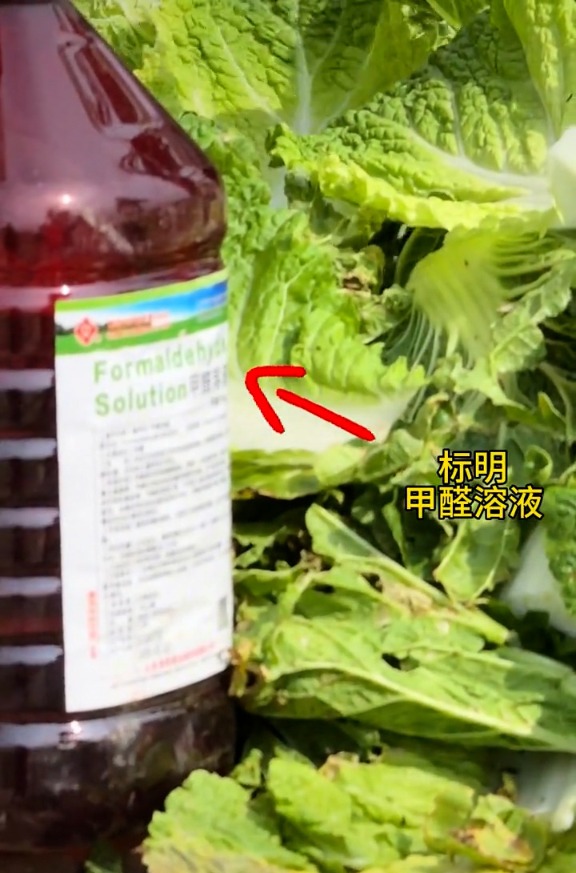 视频中拍摄到装载白菜的货车上有标注“甲醛溶液”的瓶子 其中,视频中拍到一辆正在装车的货车司机表示,这车大白菜将运往江苏宿迁。

C | 还有一现场人员表示,蘸取甲醛溶液后能保鲜"2—3天"。视频最后,该博主表示已在合肥某市场的大白菜中检测出了甲醛,确认是从河北运来的大白菜。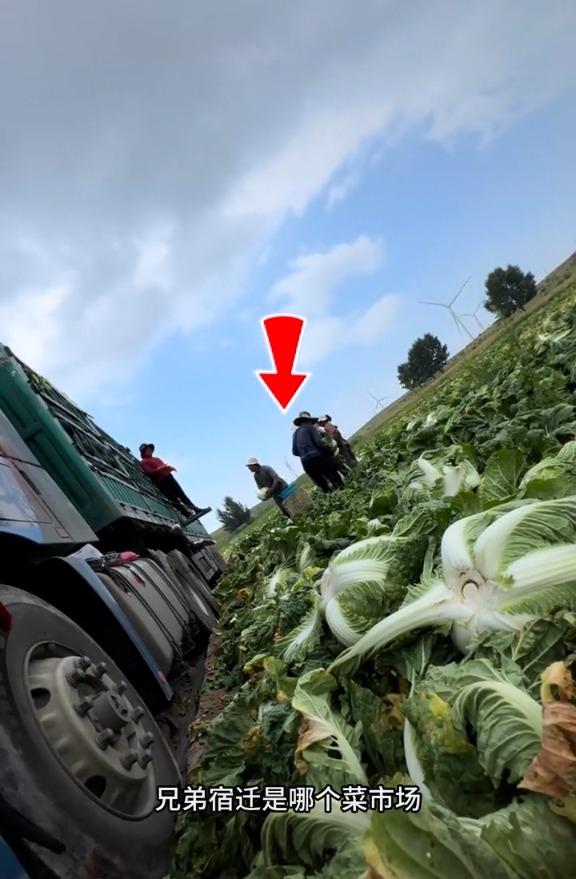 视频中拍摄到装车人员疑似在蘸取甲醛溶液 8月22日上午,澎湃新闻致电河北张家口市市场监督管理局,接线工作人员表示,已注意到相关情况,目前市场监督管理局、当地农业局及警方均已介入调查。

D | 澎湃新闻注意到,据“科普中国”此前发布的报道显示: 蔬菜中的甲醛可以分为内源性和外源性两类。 内源性的甲醛是生物代谢过程中产生的,自然存在于许多食物中,如蔬菜、菌菇、水果、肉类、鱼类等。这类甲醛含量极少,基本对人体不会产生危害。 外源性的甲醛是在食物加工、运输、销售过程中由于人为不当使用产生的,是造成食品甲醛污染问题中的主要原因。个别不法菜贩子向蔬菜根部喷洒稀释后的甲醛,不但可以减少蔬菜长途运输过程中的发热腐烂现象,还会使其根部白净,更受购买者的喜爱。 我国《食品安全法》及《农产品质量安全法》中明确规定,甲醛不得作为食品用加工助剂生产经营和使用。也就是说,以任何方式在食品中添加甲醛的行为都是违法的。

E | 此外,“科普中国”文章中还提到:甲醛每日允许摄入量为0.2毫克/公斤体重。按体重60千克计算,甲醛的每日允许摄入量总值为12毫克。广州的一项调查显示,当地农贸市场所有蔬菜甲醛的平均含量为0.272毫克/千克。

F | 如不考虑其他食物的甲醛摄入,甲醛摄入要超过每日允许摄入量,需要一天吃44.118千克蔬菜才行。 甲醛是一种容易挥发的物质,而且如果蔬菜上真有很高浓度的甲醛,不用放在鼻子底下就能闻到了。

G | 如果觉得自己可能买到了有甲醛的蔬菜,不放心的话,最好扒掉外层叶子,用清水泡洗几遍,时间允许的情况下也可以再多煮几分钟。(文章来源:央视新闻)。
Current article:http://zcyuf.sunaichitikouchua.bond/list_iiu/0mx7lgr.html
Published on:09:32:07


